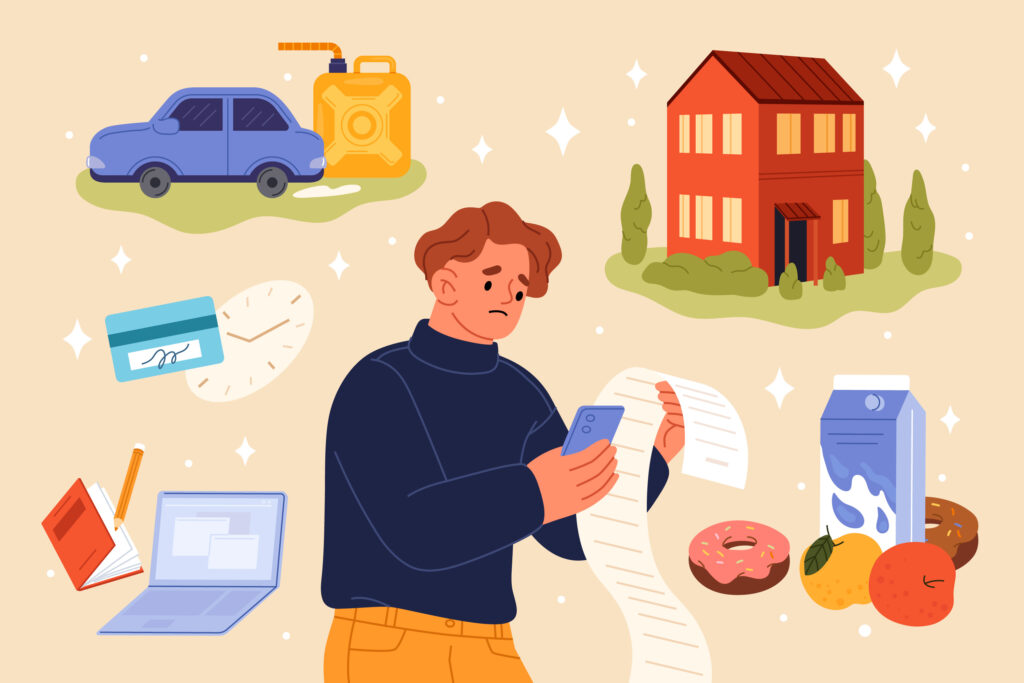
Economists love labels: “the economy is booming,” “we’re in a recession,” “growth is slowing.” But for most households, these phrases don’t connect with daily life — and they often lead to confusion. A strong economy doesn’t always feel strong, and a slowdown isn’t always disastrous. The key lies in understanding trade-offs, not just labels.
Why Headlines Don’t Match Household Reality
When the media proclaims the economy is strong, they’re generally talking about high GDP growth, strong consumer spending, or low unemployment figures. But these broad metrics don’t always capture what matters most to everyday people:
- Inflation can rise even in a growing economy, reducing purchasing power.
- Wage gains can lag behind price increases.
- Housing costs might skyrocket while other sectors stagnate.
- Employment may be high, but many jobs can be part-time or offer limited benefits.
In other words, an economy that looks good on paper may still feel tight for households.
👉 For a deeper look at how broad economic signals can mislead, see our earlier post: Why Economic Data Feels Confusing (and How to Read It Properly).
Strong Economy ≠ Everywhere Is Winning
A growing economy typically means more jobs and profit opportunities. But that growth isn’t always evenly distributed. Households can experience:
Winners
✔ Jobs becoming available
✔ Wages rising in competitive sectors
✔ Increased investment opportunities
Strains
⚠ Higher living costs — especially housing and essentials
⚠ Rising interest rates to control inflation
⚠ Uneven job quality or unstable gigs
This dynamic was explored in our previous article: How Interest Rates Actually Flow Through the Economy — strong economies often lead to rate hikes, which can squeeze mortgages and borrowing.
When Slowdowns Aren’t So Bad
Slower growth or mild economic contractions often sound scary, but they can carry hidden benefits for households:
- Lower inflation can make essentials more affordable.
- Interest rates may stabilize or fall, reducing borrowing costs.
- Consumer bargains — slower demand can mean better deals on big purchases.
The key takeaway? A slowdown is not necessarily a catastrophe; it’s a shift in the economic pace, with its own trade-offs.
What Matters Most to Households
Rather than good or bad, it’s more helpful to evaluate economies based on impact, such as:
📌 Cost of Living
Can your income keep up with prices for food, rent, utilities?
📌 Housing Affordability
Do mortgage costs match household budgets?
👉 Try our Mortgage Impact Calculator to see how changes in rates, prices, and terms affect your monthly payments:
🔗 https://www.intellifi-ai.com/dashboard/mortgage-impact
📌 Job Quality
Are wages rising? Are benefits stable?
📌 Financial Flexibility
Can you save, invest, or handle emergencies?
How to Read the Economy Like a Household
Here’s a practical framework:
1. Look Beyond the Label
Ignore “strong” or “bad” tags — focus on what actually changes for your expenses and income.
2. Pay Attention to Prices, Not Just Growth Rates
Even in a growing economy, prices can outpace incomes.
3. Track Interest Rates and Lending Costs
These have huge effects on mortgages, loans, and savings.
This approach transforms confusing macro signals into practical household decisions — and that’s exactly what financial literacy should do.
In Summary
A “good” economy doesn’t always feel good — and a slowdown isn’t always bad. The real story lies in trade-offs:
| Economic Condition | Household Impact |
|---|---|
| Growth + Inflation | Higher costs, rate hikes |
| Slow Growth + Low Inflation | Cheaper loans, stable prices |
| Uneven Growth | Winners and losers in different sectors |
Understanding these trade-offs helps you plan — not panic.
Want Ongoing Insights?
Explore our other guides on how macro forces impact real life, and bookmark tools like the Mortgage Impact Calculator to make better decisions in any economic environment.